
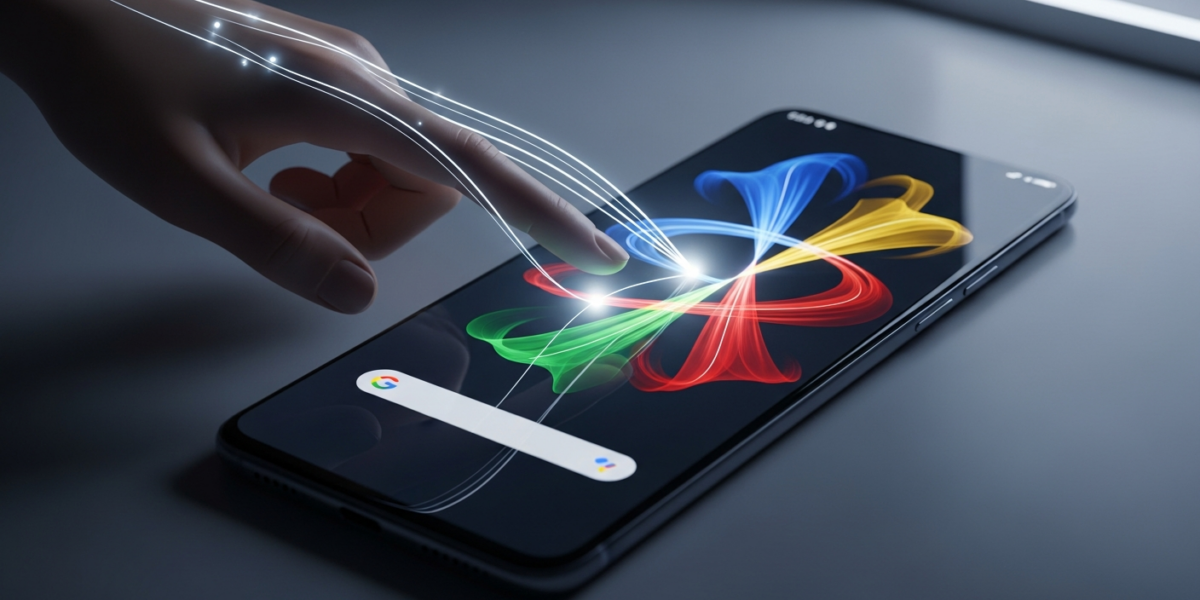
Google's new Gemini Intelligence integrates AI deeper into Android 17, enabling advanced task automation, app control, and personalized experiences for users.
Google is rolling out “Gemini Intelligence,” a new branding umbrella for deeply integrated Gemini AI features within Android 17, designed to automate complex tasks and control phone functions directly. This move positions Gemini less as a chatbot and more as an underlying operating layer, giving Android users unprecedented levels of personalization and proactive assistance by handling routine actions across apps, autofill, and even custom widgets.
Google is aggressively integrating its Gemini AI models directly into the core of the Android operating system, now coalescing these capabilities under the new moniker, Gemini Intelligence. Announced during Google’s pre-I/O Android showcase, this initiative aims to transform Android from a platform that runs apps into one that intelligently assists users across their entire device ecosystem [1, 7]. This isn’t merely about chatbot functionality; it’s about making Gemini an ambient, proactive layer that controls various aspects of the phone, browser, and even in-car experiences [7].
The new features extend Gemini’s reach significantly. Users can expect expanded task automation, enabling the AI to handle mundane chores like filling out forms, summarizing web pages, and converting voice notes into clear messages [1, 4]. Gemini Intelligence will also power more advanced customization, allowing users to create their own AI-generated homescreen widgets and offering enhanced voice dictation through Gboard [1, 2, 8]. Crucially, Google is giving Gemini the ability to control other apps, a major step towards making the AI a true personal assistant that can execute multi-step commands across different applications, as seen with its integration into devices like the Galaxy S26 [3].
This deep integration, particularly with Android 17, leverages Google’s foundational advantage: its control over Android, Chrome, Gmail, Maps, and YouTube [5, 8]. By weaving Gemini into these ubiquitous services, Google is positioning its AI to anticipate user needs and execute actions seamlessly, from booking appointments to managing browser interactions [8]. This strategy comes just weeks before Apple is expected to unveil its own AI initiatives, underscoring Google’s race to solidify Gemini’s central role in the mobile experience [7].
What operators should do
Operators developing for Android should immediately begin exploring the new Gemini Intelligence APIs and frameworks, focusing on how their applications can expose functionalities for AI control and automation. Prioritize building modular, API-driven features that Gemini can orchestrate, moving beyond simple chatbot integrations to enable deep, cross-app task completion, as Google is clearly pushing for a future where AI acts as a primary interface for user intent rather than just a conversational agent.
Sources
- Gemini’s latest updates are all about controlling your phone | The Verge
- The Top New Features in Google’s Android 17—and Gemini Intelligence—Coming This Summer | WIRED
- Google Gemini is finally becoming the personal assistant we were promised | Android Central
- A smarter, more proactive Android with Gemini Intelligence
- Google just revealed ‘Gemini Intelligence’ — and it could change Android forever | Tom’s Guide
- Android Show 2026: all the news and announcements | The Verge
- Google races to put Gemini at the center of Android before Apple’s AI reboot | CNBC
- All the helpful things you can do with Android 17’s new Gemini Intelligence | Trusted Reviews