
IREN Limited has strategically pivoted from Bitcoin mining to become a major AI cloud infrastructure provider, acquiring Mirantis to leverage its 4.5 gigawatts of secured power capacity for AI workloads. Simultaneously, Animoca Brands launched a $10 million fund to foster the development of AI agents on its proprietary ‘Minds’ platform, focusing on Web3 applications like DeFi, gaming, and metaverse interactions. These developments in May 2026 highlight a critical bifurcation in the AI landscape: the intense competition for foundational compute infrastructure and the rapid expansion of AI agents at the application layer within decentralized technologies.
IREN Limited (NASDAQ: IREN) acquired cloud software specialist Mirantis on May 5, 2026, in a definitive move to become a major AI cloud infrastructure provider. Simultaneously, on May 6, 2026, Animoca Brands launched a $10 million investment fund for early-stage projects building AI agents on its proprietary ‘Minds’ platform. These parallel announcements signal a two-pronged assault by artificial intelligence: first, on the foundational layer of compute and power infrastructure, and second, on the application layer within the burgeoning Web3 and metaverse ecosystems. For operators, this month defines the concrete, high-stakes paths for participating in AI’s next phase, which is now inseparable from decentralized web technologies.
IREN’s Strategic Pivot: From Bitcoin Mining to AI Cloud Giant
IREN’s acquisition of Mirantis isn’t a side project; it’s a complete strategic overhaul. The company is leveraging its most significant asset—4.5 gigawatts of secured power capacity—to target an ambitious $3.4 billion in AI Annual Recurring Revenue (ARR) by the end of 2026. This pivot is a direct response to the volatility of its previous Bitcoin mining revenue, which culminated in a dramatic $0.52 EPS loss in February 2026. The Mirantis deal provides the missing piece: enterprise-grade software for deploying and managing containerized AI solutions at scale.
Mirantis brings deep expertise in Kubernetes orchestration and OpenStack cloud management, technologies critical for running complex, distributed AI workloads. IREN isn’t just selling raw compute power; it’s selling a fully integrated stack, from the power plant to the deployed AI model. This strategic shift positions them as a formidable contender in the AI infrastructure market, particularly for energy-intensive applications.
The execution risk is immense. Converting power contracts into a multi-billion dollar software business in under eight months requires flawless integration of Mirantis’s technology and teams. IREN’s recent financial performance, including consistent revenue misses, highlights potential operational challenges. The market they’re entering is also fiercely competitive, with established players like CoreWeave and new entrants all vying for the same explosive demand in AI compute.
Success hinges on IREN’s ability to compete on price, performance, and reliability, all while navigating the complex integration of a newly acquired company. Their ability to deliver on this promise will be a key differentiator in the crowded AI cloud space, potentially setting a new standard for efficient AI deployment. For businesses looking into VPS for Hyperliquid trading bots or other high-performance AI needs, IREN’s vertical integration could offer significant advantages.
Animoca Brands’ $10M Bet on Web3 AI Agents
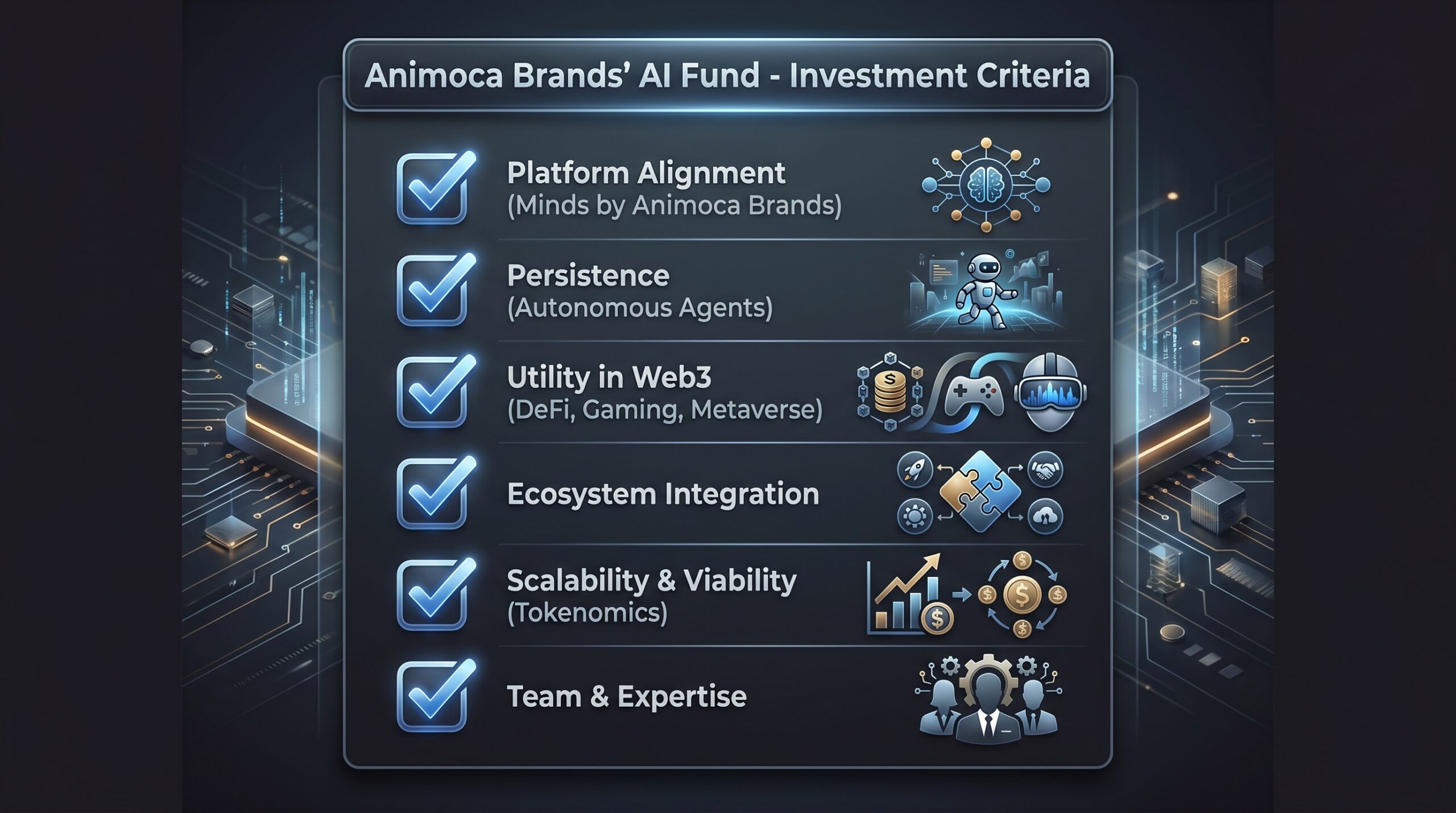
While IREN builds the foundation, Animoca Brands is populating the next layer of the internet with intelligent actors. Its $10 million fund, announced at Consensus 2026, is exclusively for projects developing on the ‘Minds by Animoca Brands’ platform. This isn’t a general-purpose AI fund; it’s a strategic play to create an ecosystem around its proprietary technology for persistent AI agents.
These agents are designed to be semi-autonomous entities that exist continuously within Web3 environments, capable of interacting with smart contracts, managing digital assets, and providing services within the metaverse. The fund aims to bootstrap development of everything from AI-powered DeFi traders and NFT game companions to virtual customer service representatives in decentralized marketplaces. This focus on persistent AI agents for developers highlights the growing demand for autonomous digital entities.
The key differentiator here is platform lock-in. Unlike broader Web3 investment funds, Animoca is specifically funding projects that will deepen the utility and value of its own ‘Minds’ platform. This creates a potential flywheel effect: more developers build on Minds, which attracts more users, which in turn attracts more developers. However, this strategy also carries the risk of creating a walled garden within the supposedly open Web3 space.
Success depends entirely on convincing top-tier developers that building on ‘Minds’ offers advantages over using more open-source or interoperable AI agent frameworks. The challenge will be to balance proprietary platform growth with the principles of decentralization and interoperability that define Web3. Projects like Agent Island are exploring similar concepts of intelligent, interactive environments, demonstrating the rising importance of such autonomous systems.
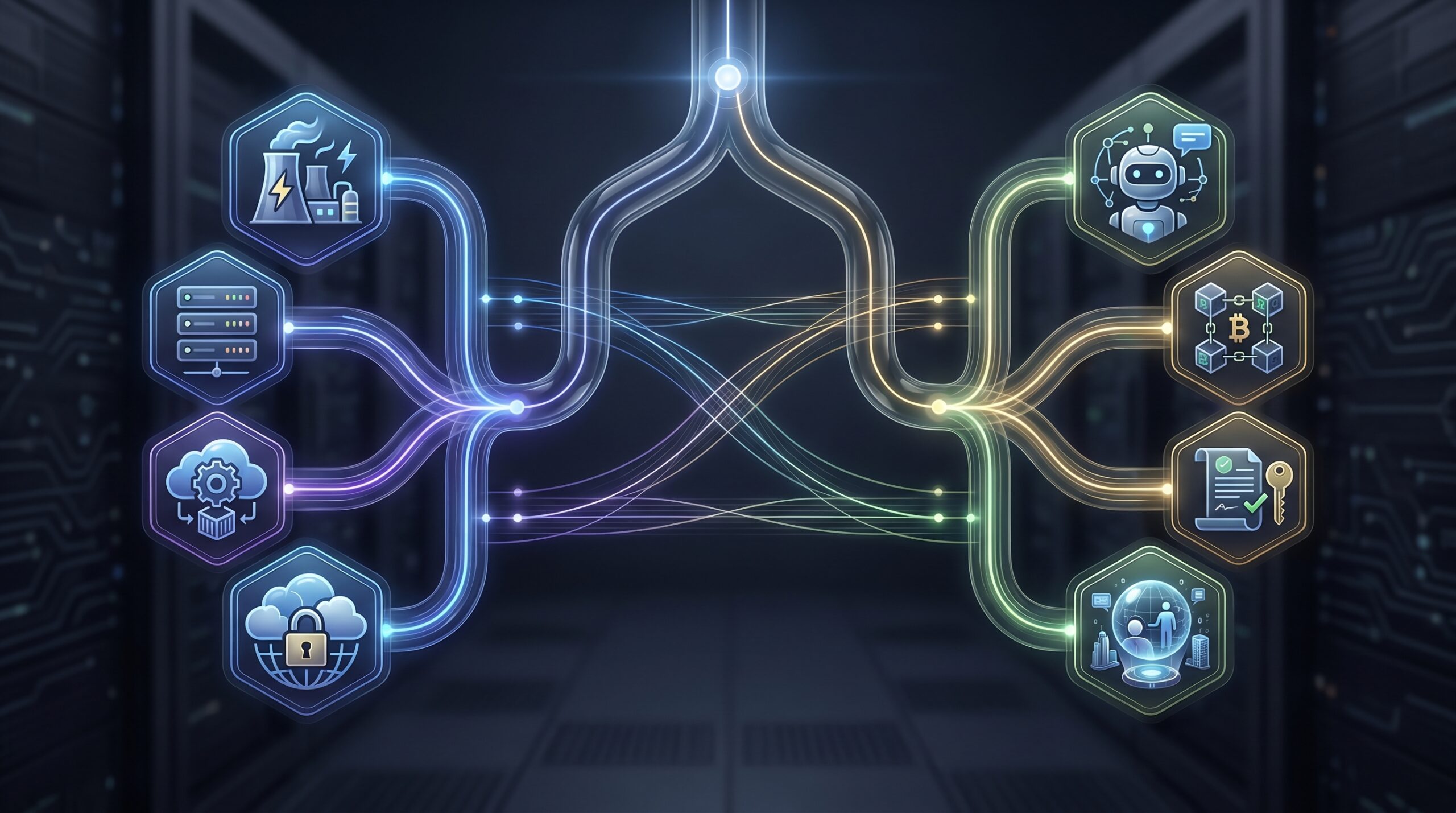
IREN’s AI Cloud Post-Mirantis: Core Capabilities vs. Key Rivals (May 2026)
This table illustrates IREN’s unique position. Its differentiator isn’t just technology—it’s the massive, secured power capacity that provides a long-term cost and scalability advantage for energy-intensive AI workloads. While competitors battle for GPU supply, IREN is building a vertical stack from energy to application deployment.
| Provider | Primary Focus | Key Technologies/Services | Web3 Integration | Pricing Model | Noteworthy Developments (May 2026) |
|---|---|---|---|---|---|
| IREN (post-Mirantis) | AI Cloud Infrastructure | Kubernetes/OpenStack via Mirantis, 4.5 GW power capacity | Limited, focused on underlying infrastructure | Likely subscription + compute usage | Closed Mirantis acquisition May 5, 2026; targeting $3.4B AI ARR by EOY 2026 |
| CoreWeave | GPU-Accelerated Cloud | Specialized NVIDIA GPU clusters, high-performance computing | Limited, infrastructure-only | Spot and reserved instance pricing | Continued organic growth, strong demand for AI/ML workloads |
| Nebius | General & Specialized Cloud | Broad IaaS and PaaS offerings, potential AI services | Varies by service | Standard cloud pricing | Market-specific growth, expanding AI service catalog |
This integrated approach could redefine how enterprises access and utilize AI compute, offering efficiency gains and cost predictability in a traditionally volatile market. The ability to control both power and the orchestration layer provides IREN with a unique competitive edge.
Animoca Brands’ AI Fund: Investment Focus Areas
The fund is a targeted instrument. It seeks projects that are not just "AI" or just "Web3," but that specifically use AI to create persistent, useful agents within the digital economies Animoca is helping to build. This strategic focus ensures that investments directly contribute to the growth and utility of the ‘Minds’ platform and the broader Animoca ecosystem.
| Category | Examples of Projects | Alignment with Animoca’s Ecosystem | Potential Impact |
|---|---|---|---|
| DeFi Agents | AI-powered yield farmers, risk-assessing lenders, arbitrage bots | Increases TVL and activity in Animoca-affiliated DeFi protocols | Automates complex financial strategies, attracts sophisticated users |
| Gaming & NFT Agents | AI companions, autonomous game characters, NFT collection managers | Enhances gameplay and utility in Animoca’s vast gaming portfolio | Drives user engagement and retention in play-to-earn ecosystems |
| Metaverse Agents | Virtual guides, customer service reps, content creation tools | Populates and adds functionality to virtual worlds like The Sandbox | Makes metaverse experiences more dynamic and interactive |
| Infrastructure Agents | Network optimization bots, cross-chain relayers, data oracles | Improves the underlying performance of the broader Web3 stack | Provides critical services that enable more complex AI applications |
This targeted investment strategy aims to build a robust network of interoperable AI agents that can seamlessly operate across various Web3 platforms. Such agents could significantly enhance the user experience and economic value within Animoca’s digital properties, addressing complex tasks that human users might find overwhelming. Companies like OpenAI are also focusing on B2B signals and deeper AI adoption, as seen in their OpenAI B2B Signals: Frontier Firms Deepen AI Adoption initiatives.
Case Study: Building a DeFi Agent on Animoca’s Minds Platform
Consider a developer team aiming to build ‘AlphaSight,’ an AI agent that provides real-time risk assessment for lending pools across multiple blockchains. The process begins by applying to Animoca’s fund with a detailed proposal outlining AlphaSight’s architecture, tokenomics, and integration points with established DeFi protocols. Upon acceptance, the team receives funding and gains access to the Minds SDK and API, becoming part of a community building the best AI agents for developers.
Development involves coding the agent’s core logic using frameworks supported by Minds, likely involving machine learning models trained on historical blockchain data to predict impermanent loss and smart contract vulnerabilities. The agent’s "persistence" is key; it must run 24/7, continuously monitoring chain data, making decisions, and executing transactions via integrated wallets. This enables the agent to function independently and provide ongoing value within the ecosystem.
The team would deploy AlphaSight onto a testnet, rigorously testing its actions against simulated market conditions. Finally, upon launch, AlphaSight would operate autonomously, potentially generating revenue through a fee structure on the profits it helps users earn or the losses it helps them avoid, all while strengthening the ecosystem Animoca supports. This demonstrates how AI can automate complex financial strategies, enhancing efficiency and accessibility in DeFi.
Case Study: Migrating an Enterprise AI Workload to IREN’s New Cloud
A mid-sized fintech company, ‘VeriFast,’ runs a fraud detection model on a general-purpose cloud provider. With rising costs and need for lower latency, they evaluate IREN’s new post-Mirantis offering. The migration starts with an assessment of their current Kubernetes cluster configuration and resource demands. IREN’s team, leveraging Mirantis’s professional services, would help VeriFast containerize their application fully if needed and define the optimal cluster configuration on IREN’s infrastructure.
The actual migration involves using Mirantis’s tools to export their existing Kubernetes manifests and securely import them into an IREN Kubernetes cluster, which is optimized for AI workloads and backed by dedicated power. VeriFast would then reconfigure their CI/CD pipeline to target the new cluster and conduct extensive load and performance testing. This meticulous process ensures a smooth transition and verifies performance improvements.
The value proposition is twofold: potentially lower and more stable compute costs due to IREN’s power advantage, and enhanced performance and tools for scaling their AI model inferencing, thanks to the integrated stack. This case highlights the practical benefits of IREN’s strategic pivot for enterprises managing critical AI operations, demonstrating a concrete path for optimizing AI infrastructure. The on-device AI shift further emphasizes the importance of efficient and scalable compute solutions.
Implementation Checklist: Evaluating IREN’s AI Cloud for Your Workloads
- Assess Workload Compatibility: Is your application already containerized using Kubernetes? Does it require massive, scalable GPU compute for training or inferencing? Understanding your current setup is crucial for a smooth transition.
- Calculate TCO: Model your total cost of ownership on IREN versus incumbents. Factor in compute, egress costs, and the potential value of dedicated performance. A thorough financial analysis will reveal potential savings.
- Review SLAs and Security: Scrutinize IREN’s service level agreements for uptime and support. Request their security whitepapers and compliance certifications (SOC 2, ISO 27001). Ensuring data security and service reliability is paramount for enterprise AI.
- Plan the Migration: If moving from another cloud, develop a detailed phased migration plan. Utilize Mirantis’s migration tools and professional services. A structured approach minimizes downtime and risk.
- Test Extensively: Before migrating mission-critical workloads, run a pilot project. Stress-test performance, cost, and reliability. This validates the migration strategy and ensures optimal performance in the new environment.
Risk Mitigation Checklist: Applying to Animoca Brands’ AI Fund
- Avoid Platform Lock-in: Design your agent’s core logic to be as portable as possible. While using the Minds API, have a contingency plan for other platforms. This foresight protects your project from over-reliance on a single ecosystem.
- Focus on Sustainable Tokenomics: Don’t just build a cool agent; build a viable business model. How will it generate revenue? How does the token accrue value? A strong economic model is critical for long-term success.
- Prioritize Security Audits: AI agents with transaction capabilities are prime targets. Budget for multiple smart contract and agent logic audits before mainnet launch. Security should be a top priority to protect user assets and maintain trust.
- Prepare for Regulatory Uncertainty: The space for autonomous Web3 AI is uncharted. Stay agile and be prepared to pivot your agent’s functionality in response to regulatory guidance. Early engagement with legal counsel can help navigate this complex landscape. The US government AI model oversight is a key area to monitor.
- Build a Community Early: Animoca values ecosystem growth. Start building your project’s Discord and Twitter presence before, during, and after the application process. A strong community fosters support, feedback, and adoption.
The Bigger Picture: AI’s Dual Frontiers in May 2026
These moves by IREN and Animoca Brands are not isolated events. They represent the two most critical fronts in the AI war: infrastructure and agency. JPMorgan Chase’s recent reclassification of AI spend from R&D to core infrastructure, with a $19.8 billion tech budget, confirms the enterprise shift that IREN is betting on. This indicates a broader industry recognition of AI as a fundamental utility rather than an experimental technology. Frontier firms are deepening AI adoption, mirroring these large-scale shifts.
Meanwhile, the chatter around a potential merger between Animoca Brands and Currenc Group—which itself invested $2 million in AI in FY2025—suggests that these Web3 AI plays are part of larger consolidation and scaling strategies. Such mergers would further accelerate the development and integration of AI within decentralized ecosystems. The convergence of AI and Web3 is creating entirely new markets and opportunities, with companies strategically positioning themselves for future growth. The evolution of models like OpenAI’s latest GPT-5.5 also plays a role in what agents can achieve.
The myth that AI is a single field is dissolving. The reality is a bifurcation: one path focuses on the colossal, centralized compute power required to build and run models (IREN), and the other on the decentralized, agent-based intelligence that will use those models to interact with and reshape digital worlds (Animoca). Operators need to understand both to make informed decisions and remain competitive in this rapidly evolving landscape. The ability to navigate both the computational backbone and the intelligent application layers will be key to success. LLM multi-agent debate failures also highlight the complexities and ongoing evolution within AI systems.
AI Market Dynamics: A Comparison of Centralized vs. Decentralized Trends (May 2026)
- Centralized AI (e.g., IREN, CoreWeave): Dominated by large-scale infrastructure providers, massive compute power, focus on efficiency and cost for AI training/inference. Driven by enterprise demand and traditional cloud models. Benefits: Scalability, established support. Challenges: Centralization risks, hardware dependency.
- Decentralized AI (e.g., Animoca Brands’ ‘Minds’): Focus on autonomous AI agents, Web3 integration, tokenomics, and community-driven development. Aims for open, interoperable, and censorship-resistant AI applications. Benefits: Portability, user ownership. Challenges: Regulatory uncertainty, early-stage adoption.
- Convergence Points: Need for robust, decentralized infrastructure to power Web3 AI agents. AI models developed in centralized environments can be integrated into decentralized applications.
FAQ
What is the significance of IREN’s acquisition of Mirantis?
IREN’s acquisition of Mirantis is significant because it provides the critical software expertise needed to transform its massive power capacity into a sellable AI cloud product. It moves IREN from being a raw compute provider to a full-stack AI infrastructure company, directly competing with established players by leveraging its energy advantage. This strategic move aims to create a vertically integrated AI cloud solution, offering a unique value proposition in the market, especially for large-scale AI workloads.
What kind of projects is Animoca Brands’ $10M fund looking for?
The fund is specifically looking for early-stage projects that are building persistent AI agents on Animoca’s own ‘Minds’ platform. Ideal projects include AI agents for DeFi, gaming, the metaverse, or Web3 infrastructure that can demonstrate utility and alignment with Animoca’s broader ecosystem of companies and tokens. The goal is to cultivate an ecosystem of intelligent, autonomous entities that enhance the functionality and user experience within decentralized applications.
What are the biggest risks associated with IREN’s AI pivot?
The biggest risks are execution risk—integrating Mirantis and hitting its $3.4B ARR goal on time—and market risk. The AI cloud market is hyper-competitive and subject to technological shifts. IREN’s recent history of earnings misses adds to the concern over its ability to execute this complex strategic shift flawlessly. Successfully navigating these challenges requires strong leadership, robust integration strategies, and a deep understanding of market dynamics.
How does Animoca Brands’ approach to AI differ from other Web3 investors?
Animoca’s approach is highly platform-centric. Unlike general Web3 AI funds that invest in a broad range of technologies, Animoca is specifically investing to grow the ecosystem around its proprietary ‘Minds’ AI agent platform, creating a more integrated but potentially less decentralized ecosystem. This targeted strategy aims to create a strong network effect and deepen the value proposition of its own technological offerings, distinguishing it from broader, more agnostic investment strategies.
What is a persistent AI agent?
A persistent AI agent is an autonomous software program that continues to exist and operate over time, even when not being directly interacted with by a user. In Web3, this could mean an agent that constantly monitors blockchain data, executes trades, manages NFT portfolios, or provides services in a virtual world 24/7. These agents bring continuous, intelligent automation to decentralized environments, enabling more dynamic and interactive digital experiences.