Microsoft has taken over construction of a 700-megawatt AI data center complex in Abilene, Texas, after OpenAI declined to pursue the project. This move signals Microsoft’s strategic pivot toward building independent frontier-scale AI compute infrastructure.
Current as of: 2026-03-28. FrontierWisdom checked recent web sources and official vendor pages for recency-sensitive claims in this article.
TL;DR
- Microsoft is taking over a 700-megawatt AI data center build in Abilene, Texas, originally linked to OpenAI
- The site sits near Oracle and OpenAI’s “Stargate” AI campus, amplifying Microsoft’s physical footprint
- This reflects Microsoft’s strategy to build its own frontier-scale AI compute independent of any single partner
- AI professionals, investors, and local stakeholders should monitor this infrastructure shift
- Action step: Review Microsoft’s recent sustainability and hiring reports if you work in AI infrastructure
Key takeaways
- Microsoft’s Texas takeover signals a shift toward independent AI infrastructure at scale
- This move creates more competition and opportunity in the AI compute market
- Professionals should monitor capacity changes and partnership opportunities
- The project highlights growing demand for specialized energy solutions for AI workloads
What Just Happened in Abilene?
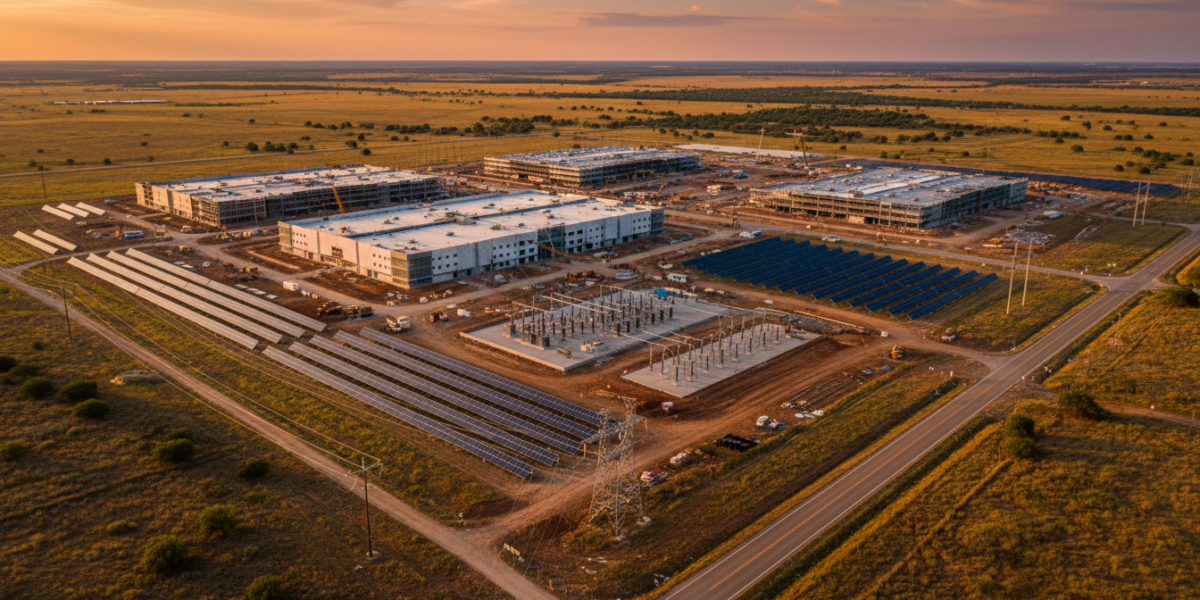
Microsoft is now leading the construction of a significant AI data center complex in Abilene, Texas. The project—initially associated with OpenAI—was declined by the latter, prompting Microsoft to step in and take control.
The facility includes two “AI factory” buildings and an on-site power plant, developed in partnership with Crusoe Energy. With a planned capacity of roughly 700 megawatts, it represents one of the largest concentrations of AI-dedicated compute in the U.S.
The Abilene site is adjacent to Oracle and OpenAI’s flagship Stargate campus, creating a strategic AI infrastructure corridor in Texas.
Why This Move Matters Right Now
This isn’t just a real estate transaction. It’s a strategic power move in the escalating battle for AI infrastructure dominance.
Who should care most?
- AI researchers and engineers
- Data center operators and energy providers
- Tech investors and market analysts
- Policy makers and economic developers
Why it impacts you:
If you’re building, funding, or working in AI, compute access is your lifeblood. Microsoft’s expanded footprint means more capacity, more competition, and more opportunity—but also more pressure to keep up.
How AI Data Centers Like This Work
These aren’t traditional data centers. “AI factories” are engineered for extreme performance:
- They house thousands of GPUs and AI accelerators
- They require massive power—often more than small cities
- They use advanced cooling and energy recapture systems
- Many, like Microsoft’s Abilene site, include dedicated power generation
The goal: deliver uninterrupted, high-throughput compute for training and running large AI models.
Real-World Examples and Context
Microsoft’s Texas expansion is part of a broader build-out across the AI industry:
- Oracle & OpenAI’s Stargate: A flagship AI campus also in Texas, emphasizing tight collaboration between cloud and AI labs
- Google’s Gemini Farms: Custom data centers designed around TPU v5 clusters
- Amazon’s AWS AI Zones: Regions with optimized networking for SageMaker and LLM inference
What sets Microsoft’s move apart is its willingness to go solo on a project of this scale.
How Microsoft’s Project Compares
| Feature | Microsoft (Abilene) | Oracle/OpenAI (Stargate) | Typical Cloud Region |
|---|---|---|---|
| Compute Focus | AI training & inference | AI R&D and training | General-purpose |
| Power Capacity | ~700 MW | Not public | 50-200 MW |
| Key Partners | Crusoe Energy | OpenAI | N/A |
| On-Site Power | Yes | Likely | Sometimes |
Microsoft is betting on scale, autonomy, and vertical integration with this project.
Key Players and Vendors
Microsoft is working with Crusoe Energy—a specialist in carbon-reducing computing infrastructure—to build and power the site.
Other notable vendors in similar projects include:
- NVIDIA (GPU clusters)
- Switch (modular data centers)
- Cadence (computational software)
- Bloom Energy (on-site power solutions)
If you’re in tech procurement or partnerships, these are names to watch.
What This Means for You: Actions to Take
Do this now: Subscribe to Microsoft’s AI blog and Crusoe’s updates. Follow permitting and hiring activity in the Abilene area.
Risks and Realities
Not all hype:
- Energy consumption: 700 MW is a massive draw. Sustainability claims need scrutiny
- Regional capacity: Local grids must support this scale without disruption
- Timeline: Construction and commissioning delays are common at this scale
Myth vs Fact:
Myth: “AI data centers are just bigger cloud servers.”
Fact: They’re physically and electrically distinct, built for sustained maximum load.
Frequently Asked Questions
What does this mean for Microsoft and OpenAI’s relationship?
It suggests Microsoft is ensuring it doesn’t depend too heavily on OpenAI—or any one partner—for future AI scale.
Will this create jobs in Abilene?
Yes—during construction and for ongoing operations, especially in technical and maintenance roles.
How does this affect AI model accessibility?
More compute supply can lower barriers for startups and researchers needing high-performance training runs.
Is Crusoe Energy a partner to watch?
Absolutely. They specialize in clean(er) energy for compute, a growing niche in AI infrastructure.
Glossary
AI Factory
A data center specifically designed and optimized for running artificial intelligence workloads, featuring specialized hardware and power infrastructure.
Frontier AI Compute
The cutting-edge computational resources required to train and run advanced AI models at the largest scales.
Stargate Campus
A flagship AI campus developed by Oracle and OpenAI, known for its large-scale AI operations and research facilities.
Key Takeaways
- Microsoft’s Texas takeover is a statement: they’re building standalone AI infrastructure at scale
- This signals greater strategic independence and a more competitive AI compute market
- For professionals, this means more options, more collaborations, and more need to stay informed
Your move: Use this shift to negotiate better compute rates, explore new partnerships, or simply understand where the AI frontier is being built—literally.
References
- U.S. News: Microsoft Takes Over Texas AI Data Center Project
- Spectrum News 1: Crusoe Energy Working on AI Factory Buildings
- Yahoo Finance: 700 MW Capacity and Stargate Proximity
- Fortune: Microsoft-OpenAI Relationship Shift
- KOB.com: Texas AI Infrastructure Developments
- Chron: Microsoft’s Texas Expansion Strategy